Orcas, rudders, and a shifting pattern in the North Atlantic
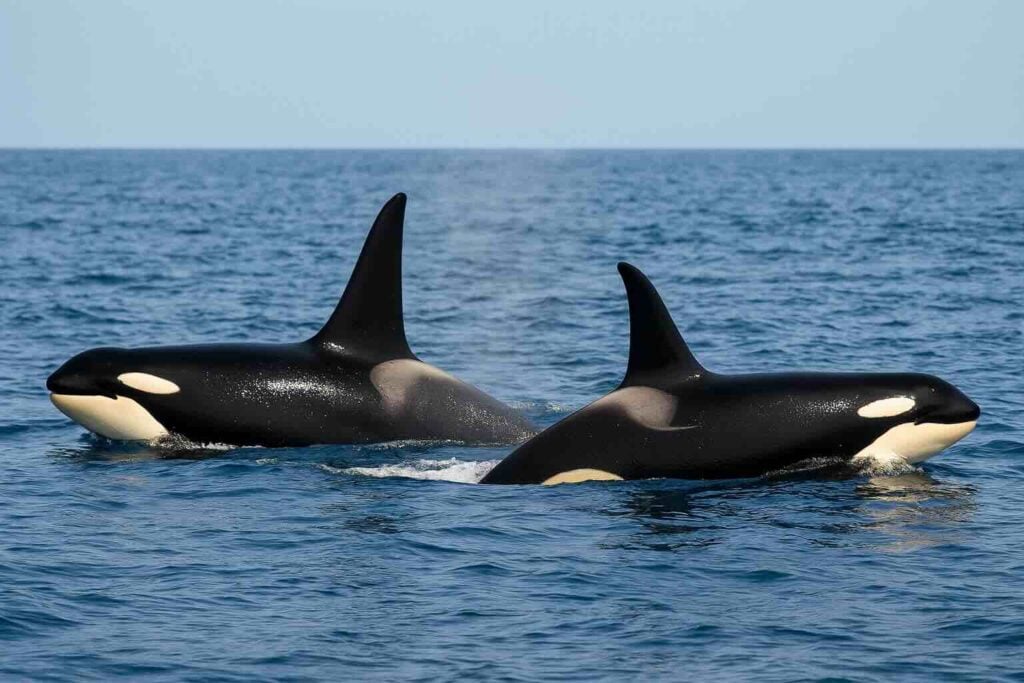
Authorities in Spain and Portugal have seen a clear pattern emerge. Orcas approach from behind, zero in on rudders, and work in small groups with surprising precision. Scientists are cautious with their wording, yet phrases like coordinated behavior and social learning appear more often in their reports. The animals sometimes push, hold, or damage a steering system by bending or snapping its blades. Nothing about it looks random.
Since 2020, the Iberian orca population has been linked to more than 700 documented encounters, based on data collected by the GTOA (Grupo de Trabajo Orca Atlántica). Most incidents involve sailing vessels under 15 meters, but commercial operators—fishing boats, coasters, whale-watch ships—now describe close passes and heavy bumps that shake the entire hull. In May 2024, a yacht sank near Gibraltar after repeated hits to its rudder. Smaller workboats off Galicia have reported sudden turns to protect their propellers. The orcas seem to understand where control lives.
Why target the rudder? Leading theories include curiosity, sensory stimulation, and rapid cultural transmission within a tight-knit group. Rudders vibrate and churn water—perfect stimuli for an animal built around touch and echolocation. Some biologists think the behavior began as playful experimentation and spread like a trend. Others believe changing prey patterns pushed the animals toward new interactions. Whether it qualifies as aggression is the wrong question; understanding motivation is the right one.
How crews are adapting at sea
Skippers in known hotspots are settling into a new strategy: slow, quiet, predictable. When orcas approach, many reduce speed, hold the helm midships, or take the engine out of gear to reduce the turbulence that attracts attention. The goal is simple—remove the “reward.” Once the game is gone, the animals usually drift off.
Panic often leads to mistakes. Trying to outrun orcas, forcing the wheel back and forth, or banging on the hull can escalate a situation instead of ending it. Calmness works better. Move crew forward, keep hands clear of the stern, put on lifejackets, and prepare for a temporary loss of steering. A few minutes of planning can make all the difference.
- Reduce speed and, if safe, shift to neutral to quiet the wake.
- Lock the helm straight; avoid sudden wheel movement or reversing hard.
- Bring crew forward and away from the stern.
- Report your position and record pod size, duration, and any contact.
- When the animals depart, test steering gently and head to the nearest port.
What this moment reveals about us and the ocean
Every mariner has felt that instant when the sea—familiar and routine—suddenly shows a new face. That’s what’s happening now. Orcas are forcing a busy coastline to pay attention. Ships run on procedures; orcas run on curiosity. Where those meet, habits change.
Some headlines lean on the word “attack,” but the reality is far more nuanced. Big cargo ships remain mostly unaffected because their rudders sit deep and their wake is massive. Smaller vessels, closer to the surface, are simply more interesting to an intelligent, tactile animal.
One Galician captain shared that two juveniles traced the rudder while a larger female hovered nearby as if supervising. After a few minutes, they drifted away. He lit a cigarette afterward, hands still shaking—not with bravado, just relief.
On docks from Vigo to Cascais, theories compete: declining tuna stocks, a learned behavior passed down through a few individuals, or just curious minds that discovered a powerful, reactive object. The truth may lie somewhere between all of them. Orcas learn fast, share behavior, and respond to feedback. A spinning rudder offers all three.
Policies are shifting too. Spain and Portugal have mapped “interaction zones,” advising smaller boats to adjust routes or seasons. Insurance companies are re-evaluating risk in specific corridors. Shipowners are updating watch routines. You won’t hear much of this on the bridge, but the changes ripple quietly through the maritime world.
For the people on the water, the pattern is simple: a moment of fear, a period of adaptation, and then a working coexistence with a living ocean. The wisest response has been to reduce noise—literal and emotional—while collecting data and letting the behavior run its course. That demands patience and a bit of luck, and mariners know both can run short.
Still, the image endures: dark fins slicing the wake, moving with intent. It is unsettling, but also a reminder that the Atlantic is full of watchful eyes. Ships, histories, and human stories fill these waters—yet so do the lives of the animals beneath us. What we do now becomes part of that shared story. The ocean does not forget.